A Collage of Digital Media

In this week’s blog I want to share a few of the sites I am uncovering in my research on indigenous sites of dissent in relation to Tar Sands in Canada.

Idle No More

Idle No More has become an international indigenous movement. Take a look at the vision for this movement.

Idle No More’s Vision

Here is another blog in wordpress.com that discusses indigenous identity and dissent, including against Tar Sands.

RedPowerMedia

Solid Versus Liquid

Zygmunt Bauman explores the movement from a solid modernity to a liquid modernity in Liquid Times: Living in an Age of Uncertainty. I am interested in applying his theory of liquid modernity to the indigenous use of digital mediums to express dissent and build identity. Bauman has some interesting thoughts to share on sovereignty and liquid modernity’s threat to traditional sovereignty. I’m interested in how these changes impact Tribal Sovereignty.
Here is a video clip of an explanation of tribal sovereignty:

Ok, maybe that just muddied the water.

The concept of tribal sovereignty can be difficult for many of us to articulate, yet it is of fundamental concern to indigenous politics.
Let’s make a second attempt at a better explanation of tribal sovereignty. Tribal Sovereignty

Bauman argues that the movement to a liquid modernity has resulted in a separation of power from politics (1).

He describes power as moving away from the nation-state and into the global sphere, while politics by its very nature is localized and struggles to create action beyond the local level. This change divorces the power from the people. Indigenous peoples struggling with these changes in power and politics are embracing digital media to empower and mobilize, to educate and create identity in a globalized world.

Solar Storms

Solar Storms by Linda Hogan

Although Linda Hogan published Solar Storms in 1995, I am reminded of her text when I read about the digitally propelled eco-indigenous movement called Idle No More a decentralized movement that uses social media such as twitter, facebook, and blogs to protest and educate both indigenous and non-indigenous about the threats to the environment, and ultimately to all life.

I am interested in examining how this movement is using digital communication to teach and create identity, as well as to express dissent.

A Journey of Self-Discovery: Exhuming the Dead

their eyes were watching god book cover


For the past week, I’ve been focused on reading Zora Neale Hurston’s Their Eyes Are Watching God.Janie, the protagonist of the story tells her friend, Phoeby, the story of her self discovery and self-actualization that spans three marriages. Although Hurston did not receive proper appreciation for this novel during her lifetime, the novel has received critical acclaim posthumously for this work of transcendent fiction. You can learn more about Zora Neale Hurston at http://zoranealehurston.com

I am also on a journey of self-discovery that I imagine sometimes as a self-resurrection. After marrying my wonderful husband and having two lovely girls, I realized one day that I had traveled far away from something that I felt (in hindsight) really defined me–my scholarship. So, the past two years, I have been on a road to resurrecting my forgotten self, taking time for writing, and engaging in intellectual thought.

Here is a little poem that I wrote to express these feelings.

I am resurrecting the dead–
the writer; myself
Lazarus, no–
the girl
“Fear is useless, what is needed is trust.”
Jesus says to her father.
He wakes her from the clutches of decay
My muse lies buried
In a graveyard of self–
Self abandoned, dusty–
Nearly ruined.
I’m a doubting Thomas
Have to put my fingers in the wounds
Slowly excavating
This girl–this reformed whore
Lover, wife, mother
Exhuming decayed soul
Reveals musty memories
Exposes old stench.
Must trust
Yea though I walk through the valley of death
I fear no evil
I descend as Ulysses to Hades
To retrieve my lost soul.
Give myself fully
To my inconsequence
God is Almighty.
I am weak.
Flawed.
Whole.

Reflections in a Digital Space

I have been sharing through this blog some of my favorite writers and works over the past few weeks. One of the things that fascinates me about literature is the way that we can connect with someone else’s thoughts through written words. I’m curious how this connection can be altered by that connection delivered through the liquid medium of the digital space. If reading a novel can be equated with entering an intimate space shared by the reader and the writer, how might that relationship be altered, or possibly deepened through a digital medium? Does the capacity for hypertext and the addition of images and video deepen the experience, or can it alter the very message of the writer? After reading Daniel Defoe’s Journal of a Plague Year, I have been interested in the intimate space of fiction, particularly the novel. How does the intimacy of writing contrast against the public space? Can the digital sphere of the internet harbor the intimacies of the heart in the same way as the novel has done? These are my reflections as I proceed forward on this literary journey.


The Sound and the Fury

The Sound and the Fury by William Faulkner, A Norton Critical Edition

One of the things I truly love about William Faulkner is the layering of symbolism, which makes literary interpretation so interesting! I am studying William Faulkner’s The Sound and the Fury this semester. I really love the way the characters of Benjy, Quentin, and Jason share brotherly similarities while being so utterly different. All three are trapped within the Compson mentality of rigid structure; all three cannot adapt to the changing South.

Today as much as anytime before, we are faced with the challenges of adaptation with digital literacies. Refusing to embrace technology, we would be no better than Benjy trapped in the Compson world. Instead, we must look to the future that Faulkner so carefully denies his characters, to see new visions for writing and teaching that encourage intellectual exchange, community, and collaboration.

Daniel Defoe and Eighteenth Century London

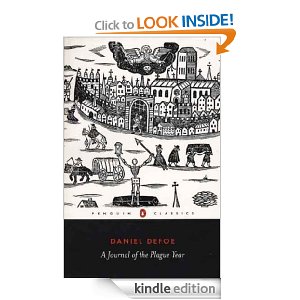
A Journal of the Plague Year by Daniel Defoe

Last semester I embarked upon a discovery of Daniel Defoe’s A Journal of the Plague Year, with some dragging of my feet.

What I discovered turned my reluctance into exuberance as I fell in love with Eighteenth Century London. You may wonder how I could feel exuberance reading a text about the death of a third of the population from a dreaded disease prior to an understanding of epidemiology; it was with the help of the internet! As I read A Journal of the Plague Year, I would look up the street names in Wikipedia.com. In this way, I was better able to imagine London 1665 from the street perspective that Defoe’s narrator writes. A whole new world unfolded for me. I invite you, too, to embark upon a literary adventure with your book of choice.

If you are interested in London, I found a wonderful website to share with you. I am giving the link to A Journal of the Plague Year, however you can search for any many texts set in London on the main page:
http://www.londonfictions.com/daniel-defoe-a-journal-of-the-plague-year.html

Enjoy!

Crystal Veronie

The Delicacy and Strength of Lace

The Delicacy and Strength of Lace
Letters between Leslie Marmon Silko and James Arlington Wright

This past summer I had the honor to read this book of letters between two phenomenal writers: Leslie Marmon Silko and James Arlington Wright. The book really touched me and reminded me how human connections can be so powerful and life-affirming. Leslie Marmon Silko is one of my favorite Native American writers. James Arlington Wright is a famous poet. In one of Silko’s letters, she describes her rooster, which is pictured on the cover of the book. Here is one of my favorite roosters, my husband dubbed “Reggie”.

DSCF0850

Alas, like Silko’s rooster, Reggie was not to survive long. Fiesty and defensive of his hens, he is remembered in our family stories, too.

Snowy Reading

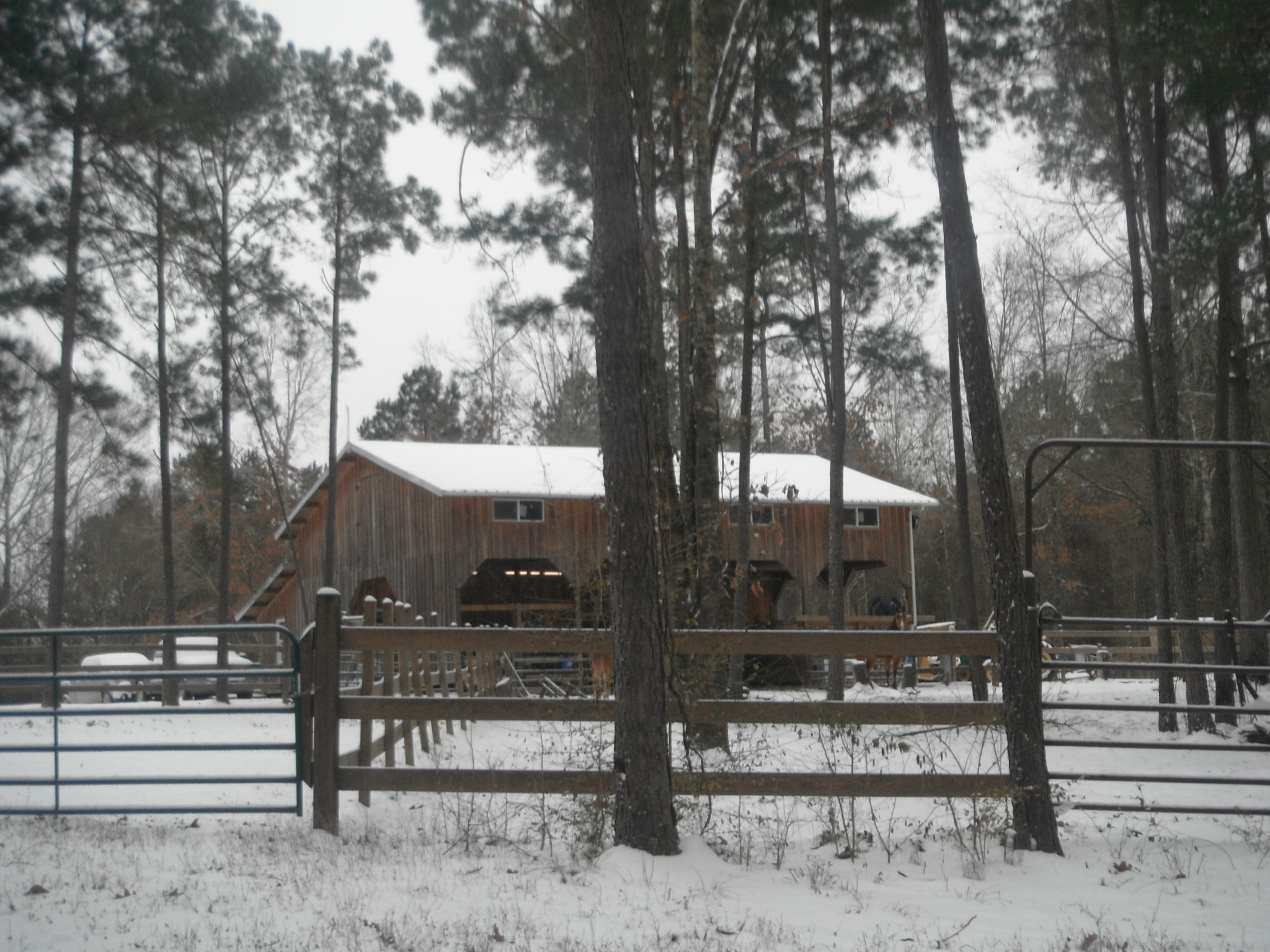
Snowy day at La Maison don le Bois

I woke up to a winter wonderland this morning. The flurries changed my itinerary for the day to classwork. The above photo is the backside of my house. Yes, I live in a barn/house surrounded by forest. We call the house La Maison don Bois or “House in the Woods” and the property Passe Partout “Passage to Anywhere”. I am starting this blog as part of a project for my Computers and Writing class. My topic is “Anything Literature”, so you may find postings related to different writers I am currently reading or other “literary” stuff in general.

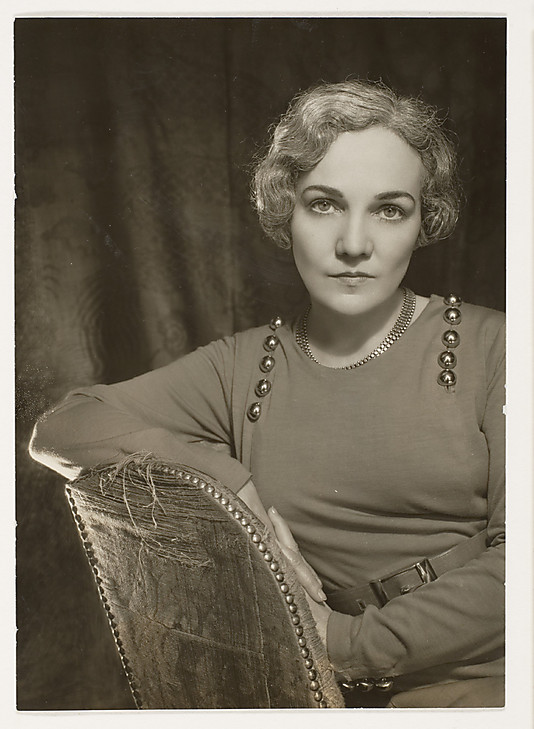
Frozen weather outside today led me to complete my readings for Southern Renaissance class. Katherine Anne Porter is one of my new favorite writers! I love her gothic vision of the Southern genteel society in “Old Mortality” and “The Old Order” especially.

Katherine Anne Porter